
He Turned Tomato Waste Into Leather - And Built a Future Friendly Revolution
This is not just a story about biotechnology it’s about mindset - A story of Future Friendly Revolution
ORDINARY TO EXTRAORDINARYSTARTUP TO STANDOUTSUCCESS STORYIMPOSSIBLEINNOVATION
Thrive vision
12/16/20251 min read
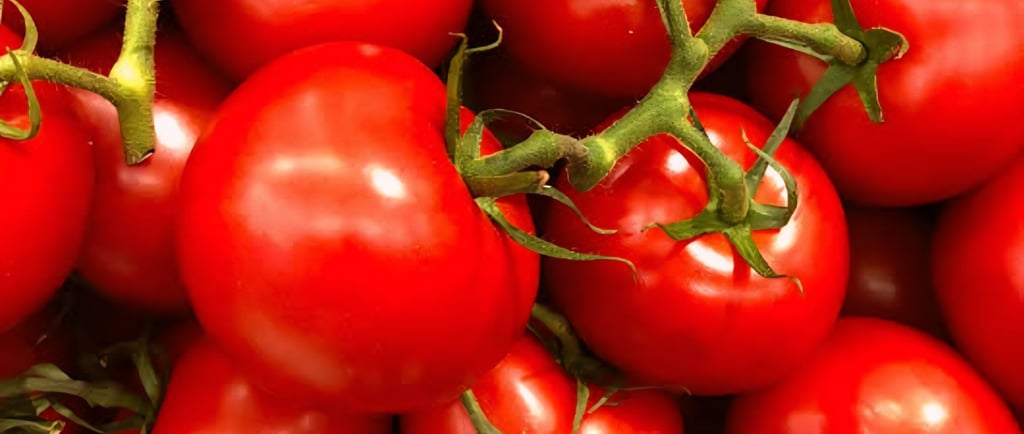
He Turned Tomato Waste Into Leather And Built a Future Friendly Revolution
Some innovations start in big labs. Others start in the mind of someone who simply refuses to accept the world as it is.
Pritesh Mistry was a biotech student when he first saw the dark reality of the leather industry animal cruelty, toxic chemicals, polluted rivers, and tones of waste. Instead of walking away, he asked a bold question: “What if we could create leather… without harming animals or the environment”
That question started a journey that would change his life and quite possibly the future of fashion.
Founded by Pritesh in 2019, Bioleather is a startup that converts TOMATO WASTE into material that looks like and has the feel of real leather but is totally eco-friendly, cruelty-free, and biodegradable.
What started as a college project quickly grew into an international innovation, capturing the attention of researchers, designers, sustainability leaders, and eventually PETA, which recognized him with the Vegan Fashion Award for Best Innovation in Textiles.
But Pritesh’s story is not only about science.
It's about courage.
About choosing creation over complaint
About seeing possibility in something the world throws away.
From wasted tomatoes to award-winning “bio-leather,” his journey teaches us a powerful truth:
Great ideas don't always need big money; they need big purpose.
Disruption doesn't start with loud moves it starts with quiet observation. And the future doesn't belong to the biggest companies, it belongs to the boldest thinkers.
Pritesh Mistry didn’t just build a product. He constructed a message Innovation is everywhere even in waste. And to dreamers, creators, and young innovators, his journey is a reminder that the next billion-dollar idea might not lie in technology or capital… It could be waiting in something as ordinary as a leftover tomato.
Inspiration
Explore success stories and motivational journeys today.
Growth
Vision
© 2025. All rights reserved.