The Story Behind LinkedIn's Real Beginning
Behind every success story is a chapter that nobody talks about — the journey of LinkedIn’s founder Reid Hoffman
SUCCESS STORYSTARTUP TO STANDOUT
Thrive vision
12/10/20253 min read
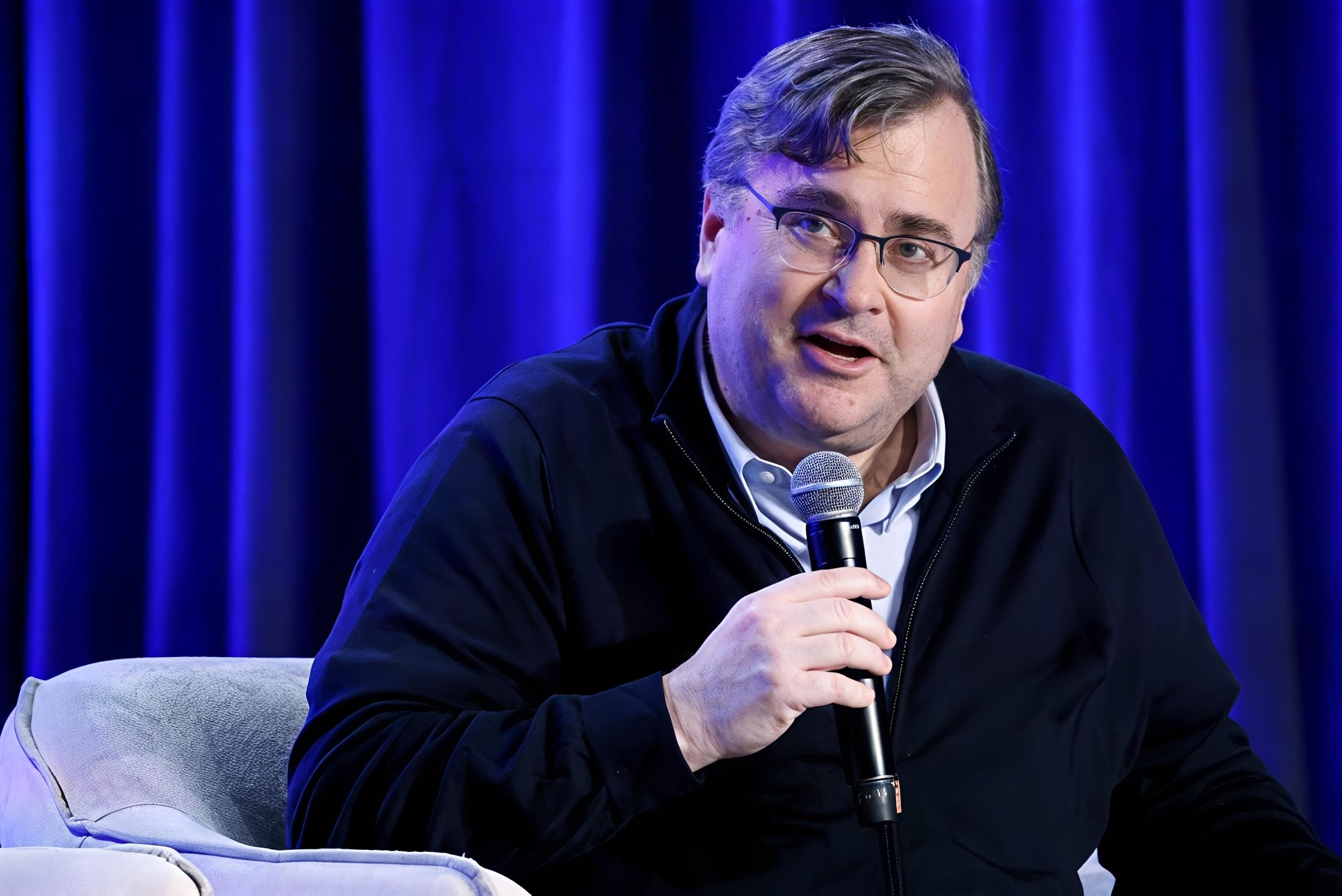
The Story Behind LinkedIn's Real Beginning
When we speak of success, we all get to observe the highlight reel a billion-dollar acquisition, global influence, and all the polish on the legacy. But what often gets lost is the long, confusing, frustrating middle part: when things don't work the part most of us are living right now.
Reid Hoffman, founder of LinkedIn, knew this journey better than most.
Today, LinkedIn has more than 1 billion users and is one of the most valuable professional platforms globally. But before that global success, Reid tried to build something rather similar-and it failed.
And it was that failure that made LinkedIn possible.
The First Attempt: SocialNet (1997)
This was the late 90s, long before any social media would break into the mainstream, and Reid Hoffman thought the internet could help people forge meaningful relationships: dating, friendships, professional connections — everything.
So, he decided to establish SocialNet, a site where users could create profiles and locate others according to interests, careers, and goals.
It was a bold idea just ahead of its time. But there were problems: Internet adoption was still low. People didn't understand online identity yet. It felt unfamiliar and confusing.
The startup struggled. It never gained real momentum. Eventually, SocialNet shut down. For many entrepreneurs, this is where the story ends.
But that was only the beginning for Reid.
Failure as Data, Not Defeat
Instead of taking the failure personally, Reid treated it like research.
He spent the next few years observing how people behave online:
Why people join certain platforms
How trust is built between strangers
What motivates someone to share professional information?
How careers and businesses move through relationships.
Each lesson came directly from the failure of SocialNet.
To Reid, failure didn't constitute proof that he was wrong. He saw it as proof he was early. And being early does not equate to being wrong — it only means patience is required.
The World Catches Up
By the early 2000s, the internet had grown.
People were getting comfortable with online identity.
Businesses began to employ the use of digital tools.
Professionals wanted visibility and credibility.
The world was now ready for the idea Reid had years ago.
This time, however, he returned with something far clearer in his mind:
People don't want to network randomly.
They crave meaningful relationships.
A system wherein:
Your work speaks for you.
Your professional story can be told through
Your network is your advantage.
And with this clarity, LinkedIn was born in 2002.
Growth was slow and that's the important part.
LinkedIn did not explode overnight.
There were no viral hacks, no flashy marketing, no celebrity endorsements.
It grew slowly.
User by user.
Resume by resume.
Connection by connection.
This slow growth was intentional: the platform was built on trust, credibility, and usefulness. Reputation takes time.
While other social platforms chased attention, LinkedIn focused on value. And value compounds
The Turning Point
Over the years, LinkedIn became more than just a network:
A place to learn
A place to show achievements.
A place to find opportunities
A platform for building influence.
Companies began to recruit directly from the platform. Professionals have built whole careers because their network expanded.
Indeed, LinkedIn wasn't a trend-it became infrastructure. And in 2016, Microsoft acquired LinkedIn for $26 billion.
From a failed experiment, it became the cornerstone for the world's modern careers.
The Real Lesson: Progress Isn't Linear
The journey of Reid Hoffman reminds us that
Your first idea might not work.
Your attempts may look confusing to others.
People may not understand what you're building.
You might even think that you are going backward.
But growth is rarely visible in real time. Failure isn't a sign to stop. It's a sign to refine.
Great things take:
Time
Iteration
Patience
Awareness
Consistency
The world very often celebrates the result, not the process. But the process is where the change takes place.
If You're Building Something Today…
Remember this:
You don't need immediate validation.
You don't need overnight success.
You don't need everyone to understand your vision.
What you need is courage to stay in the game long enough for the world to catch up.
As Reid Hoffman once said:
"If you are not embarrassed by the first version of your product, you launched too late."
Start imperfectly. Improve continuously. And trust the timeline. Because great things never happen all at once. They're built slowly. Quietly. Patiently. Just like LinkedIn.
Inspiration
Explore success stories and motivational journeys today.
Growth
Vision
© 2025. All rights reserved.